

Billy Joel’s Tour Cancellation: A Heartfelt Loss for Fans Amid His Rare Brain Disorder Diagnosis
As a lifelong fan of Billy Joel, the news of his tour cancellation hit me like a punch to the gut. The “Piano Man” himself, the voice behind timeless hits like “Uptown Girl” and “We Didn’t Start the Fire,” announced on May 23, 2025, that he’s canceling all upcoming concerts due to a sudden diagnosis of normal pressure hydrocephalus (NPH), a rare brain disorder. For fans like me, who’ve spent years singing along to his soul-stirring melodies, this feels like more than just a pause in performances—it’s a deeply personal loss.
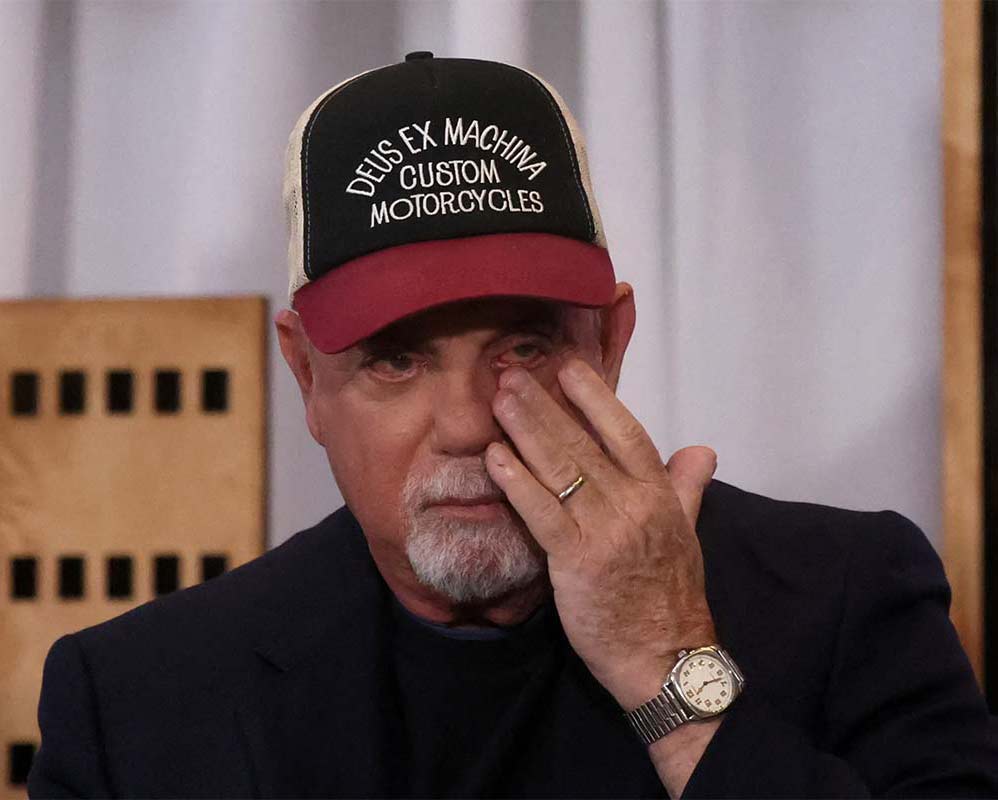
Billy Joel cries as he discusses the end of his residency at Madison Square Garden in New York.
A Shocking Diagnosis for the Piano Man
Billy Joel, at 76, has been a musical beacon for decades, blending heartfelt lyrics with unforgettable piano riffs. So, when his team shared on Instagram that he’s battling NPH, a condition caused by excess cerebrospinal fluid building up in the brain’s ventricles, it was a shock. This rare disorder, which affects roughly 700,000 Americans and often strikes those over 60, brings symptoms like balance issues, vision problems, and cognitive challenges—sometimes mistaken for dementia or Parkinson’s. For Joel, these symptoms were reportedly worsened by recent performances, leading doctors to advise him to step back from the stage for now.
The announcement came after a string of health-related setbacks. Earlier this year, Joel postponed shows due to an undisclosed surgery, and a fall during a February concert in Connecticut raised concerns. Now, with 17 tour dates canceled, including highly anticipated performances in the US and UK, fans are left grappling with the reality that we may not see the “New York State of Mind” singer perform anytime soon.
A Fan’s Heartbreak
I remember the first time I heard “Piano Man” as a teenager, sitting in my room, letting the harmonica intro wash over me. It felt like Billy was telling my story, our stories, with every note. His concerts were more than just shows—they were gatherings where generations of fans connected over shared memories. The thought of missing his soulful performances, like the one I’d planned to attend in Milwaukee this April, stings deeply. Those tickets, now set to be refunded, were a promise of another night lost in his music.
What hurts most is knowing how much performing means to Billy. Sources close to the five-time Grammy winner say he’s “not ready to retire” and hopes to return to the stage as his recovery progresses. His wife, Alexis Roderick Joel, shared an emotional update on Instagram, thanking fans for their support and expressing hope for his recovery. “Bill is beloved by so many, and to us, he is a father and husband who is at the center of our world,” she wrote. Reading that, I couldn’t help but tear up, thinking of the man who’s been the soundtrack to so many moments in my life now facing such a daunting challenge.
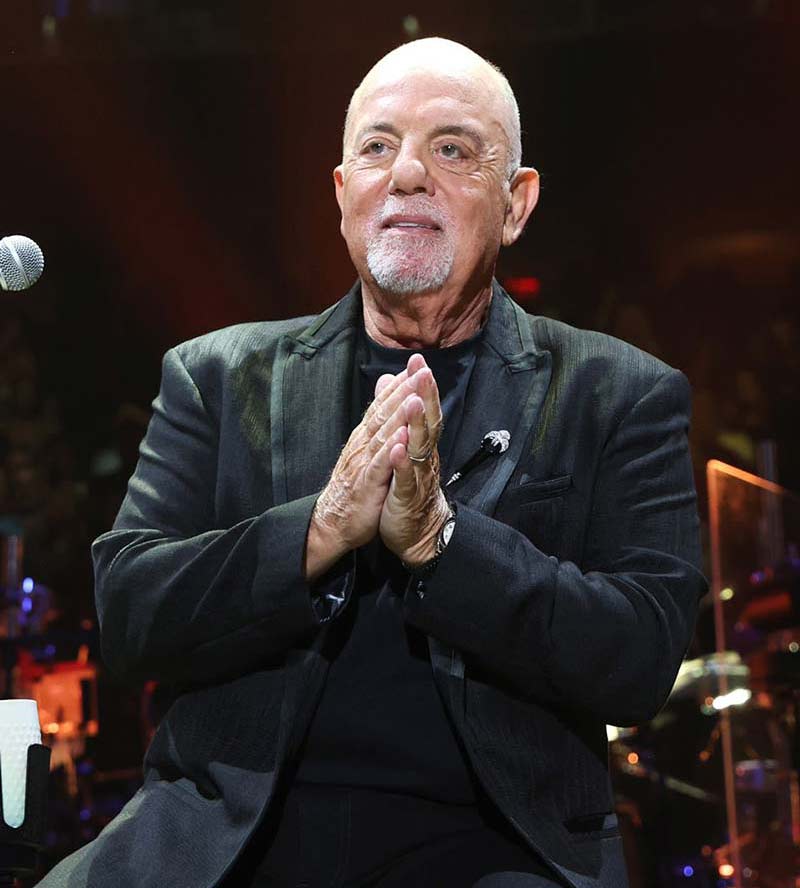
Billy Joel reveals his diagnosis of normal pressure hydrocephalus, which has forced him to cancel all live performances.
Understanding Normal Pressure Hydrocephalus (NPH)
For those of us trying to make sense of this, NPH is a tough condition to wrap your head around. It’s caused by a buildup of fluid in the brain, which puts pressure on surrounding tissue, leading to symptoms like difficulty walking, memory issues, and even urinary incontinence—sometimes called the “wet, wobbly, and wacky” triad. Unlike other forms of hydrocephalus, NPH doesn’t always show elevated pressure in diagnostic tests, making it tricky to diagnose. Experts say it’s often mistaken for Alzheimer’s or Parkinson’s, with fewer than 20% of cases correctly identified early on.
Treatment typically involves surgically implanting a shunt to drain excess fluid, often paired with physical therapy. Billy’s team mentioned he’s undergoing “specific physical therapy” to manage the condition, but it’s unclear if he’s had or will need surgery. While NPH can be treatable, recovery varies, and the uncertainty leaves fans like me holding our breath, hoping our idol can bounce back.
A Legacy That Endures
Even as I mourn the canceled tour, I find comfort in Billy Joel’s enduring legacy. From his record-breaking Madison Square Garden residency, which ended in July 2024, to his recent single “Turn the Lights Back On,” his first new release in decades, Joel has always found a way to connect with us. His daughter, Alexa Ray Joel, shared a touching message, quoting lyrics from “Lullabye (Goodnight, My Angel)”: “Someday we’ll all be gone/ But lullabies go on and on/ They never die/ That’s how you and I will be.” Those words hit hard, reminding me that Billy’s music will always be there, even if live performances are on hold.
Fans across social media have echoed this sentiment, flooding platforms like X with messages of love and support. One post read, “Sending best wishes to my favorite Piano Man xoxoxo,” while another called the news a “shame” but wished him well. The outpouring shows just how much Billy means to us all.
Looking Ahead with Hope
As I sit here, scrolling through old concert photos and listening to “Vienna” on repeat, I’m holding onto hope. Billy Joel has faced challenges before—personal and professional—and come out stronger. His team’s statement that he’s “sincerely sorry to disappoint” but looks forward to returning to the stage gives me something to cling to. The upcoming HBO documentary, Billy Joel: So It Goes, premiering at the Tribeca Film Festival on June 4, will offer a glimpse into his life, reminding us why we love him.
For now, I’ll keep playing his records, singing along to every word, and sending all my love to the Piano Man. To my fellow fans, let’s keep the faith that Billy Joel will be back, tickling the ivories and lighting up stages once more. Until then, his music remains our lullaby, one that never dies.